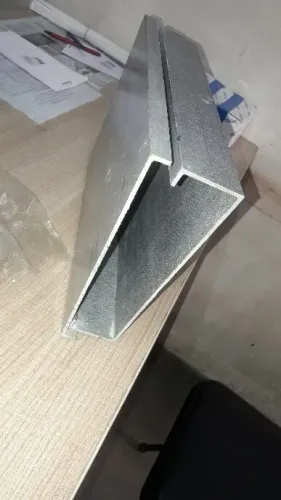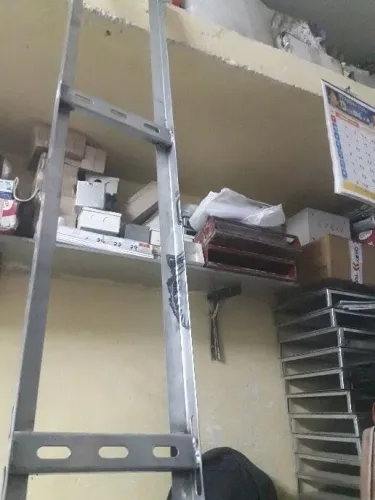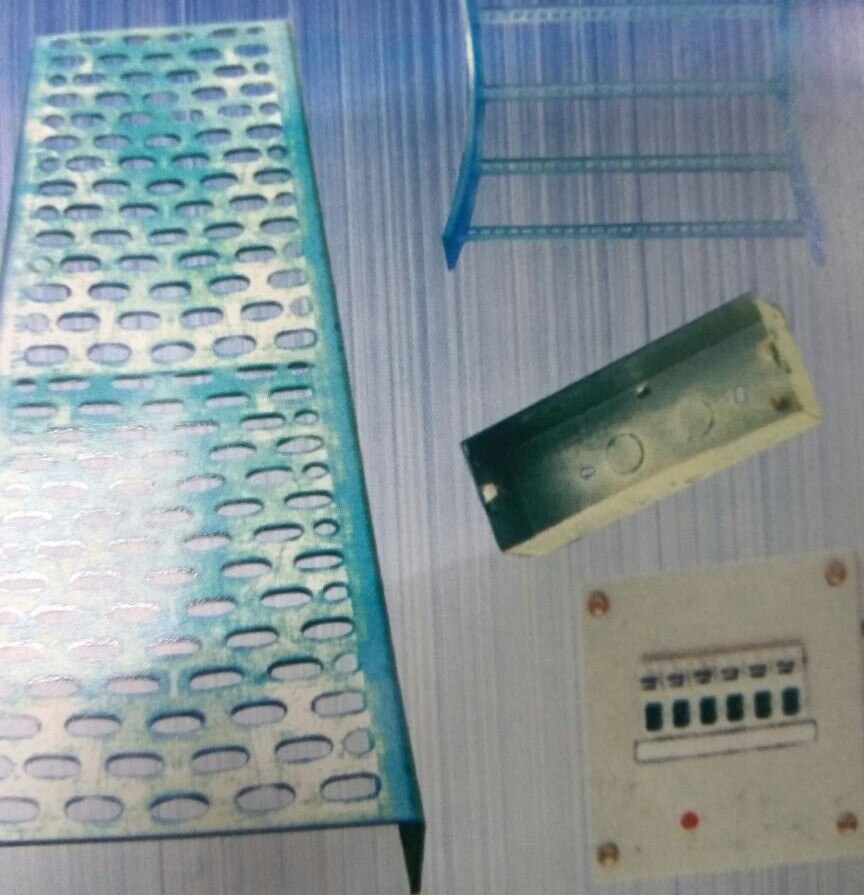
A Pune delivery promise is meaningful only when the supplier confirms the exact tray construction, stocked dimensions, matching accessories, and dispatch documents. By checking the galvanizing process, system capacity, configuration, and acceptance records, you can separate genuinely ready-to-ship material from generic “GI tray” quotations.
Key takeaways
- Ask for the galvanizing certificate, coating thickness, and post-fabrication treatment details.
- Specify tray type, width, thickness, bends, covers, supports, fasteners, and finish before quoting.
- Calculate cable fill, weight, span, and support spacing as one complete system.
- Put delivery date, inspection documents, quantities, and rejection criteria on the purchase order.
How to verify that a GI tray is actually hot-dip galvanized
“GI” does not identify the galvanizing process. Before comparing a hot dip galvanized cable tray in Pune, establish whether the quote covers post-fabrication hot-dip galvanizing, continuously pre-galvanized sheet, or electro-galvanized steel. These finishes are not interchangeable: fabrication can expose uncoated steel on pre-galvanized sheet.
Put these requirements into the purchase order:
1. State “post-fabrication hot-dip galvanized” and cite ISO 1461, the key reference for fabricated iron and steel articles. Name the steel grade and require a mill certificate.
2. State whether cut edges, drilled holes, welds, covers, bends, couplers, and fasteners receive the specified treatment. Welding or drilling after galvanizing requires an approved repair procedure for exposed steel.
3. Request a galvanizing certificate or inspection report, magnetic coating-thickness measurements, the sampling method, and visual acceptance criteria. Check any claim such as “80 microns guaranteed” against ISO 1461 and the tray component’s steel-thickness category; an unsupported number proves little.
A grey or mottled surface does not prove coating thickness. Gloss variation, runs, and colour differences can occur, so accept the tray against documented visual criteria and measured results, not appearance alone. Also require a dimensional drawing and identify the exact quotation item as hot-dip galvanized, rather than accepting a catalogue label.
This evidence helps you separate credible hot dip galvanized cable tray suppliers in Pune from vendors treating every “GI” label as equivalent.
Choose the tray form and specify every component before requesting a quote
Perforated tray suits smaller or flexible cables that need continuous support and frequent fixing. Choose ladder tray when ventilation, cable access, heavier runs, or vertical routing matters more. Use covered trunking for an enclosed route with segregation and ingress protection. Check every cable manufacturer’s minimum bending radius at bends and risers before selecting the form.
| Option | Best fit | Specify |
|---|---|---|
| Perforated tray | Smaller or flexible cables | Perforation pattern, width, side-rail height and cover |
| Ladder tray | Heavy, ventilated or vertical runs | Rung spacing, width, side-rail height and cover |
| Covered trunking | Enclosed or segregated routes | Cover, IP rating, partitions, bends and tees |
Ask gi ladder cable tray suppliers in Pune to price the complete configuration, not only straight sections. Include sheet thickness, straight-section length, splice plates, bends, tees, reducers, covers, hold-down clamps and support brackets.
Specify coupler performance separately: joint strength, bolt orientation, electrical continuity, and whether bonding jumpers are required. A ladder body’s load rating does not prove that its couplers carry the same load or maintain continuity.
When comparing gi cable trunking manufacturers, reject an open tray quotation as a trunking equivalent unless it includes a cover, bend and tee accessories, cable-segregation provisions, and defined ingress-protection performance. Require each quotation to state whether the GI perforated and ladder items are post-fabrication hot-dip galvanized, rather than relying on catalogue names.
Calculate tray width and prove that the complete system can carry the cables
Approve the tray only after proving the proposed width and complete system carry the actual installation. A quotation for hot dip galvanized cable tray in pune is incomplete if it gives sheet thickness but omits span, supports, joints, and allowable deflection.
- Record every cable’s outside diameter and weight per metre.
- Add the specified separation between power, control, instrumentation, and communications circuits.
- Reserve spare capacity and extra room at bends, risers, clamps, and cover fittings.
- Check the manufacturer’s load/span table for the selected width, depth, side-rail geometry, perforation or rung pattern, span, and support arrangement.
- Include concentrated loads from large cables, equipment entries, and any local loading from covers or fittings.
- Confirm allowable deflection, support type, anchor condition, splice location, joint strength, bolt orientation, and bonding-jumper requirements.
IEC 61537 provides the framework for mechanical performance, electrical continuity, corrosion resistance, and test methods for tray and ladder systems. Request the load or span table and its test basis; nominal 1.6 mm or 2 mm steel does not establish capacity. The dimensional drawing, approved support layout, and anchor details must match the quoted system.
Changing the span, support hardware, or joint position can invalidate the result, even when the tray body remains unchanged.
Compare galvanizing with other tray finishes and control corrosion at joints
Hot-dip galvanizing is the strongest general choice for outdoor, humid, or monsoon-exposed routes when you want low-touch-up maintenance. Post-fabrication treatment covers welds, sheared edges, holes, and formed parts; pre-galvanized sheet leaves exposed steel wherever fabrication cuts the zinc, while electro-galvanizing suits less aggressive indoor service.
| Finish | Main advantage | Choose it when |
|---|---|---|
| Post-fabrication hot-dip galvanized | Broad zinc protection on fabricated parts | Outdoor, humid, or maintenance-limited routes |
| Electro-galvanized | Thinner, smoother zinc layer | Dry indoor installations |
| Stainless steel | High resistance in wet or chemical service | Chemicals, washdown, or persistent moisture justify the cost |
| Aluminium | Lower weight | Transport or support loading matters; check strength and thermal movement |
| FRP | No metallic corrosion | Chemical exposure suits non-metallic tray; verify fixing, load, and earthing |
| Painted mild steel | Flexible colour and finish | You can control surface preparation and schedule future touch-up |
Keep every joint electrically and mechanically continuous. State splice strength, bolt orientation, and bonding-jumper requirements separately; a compliant tray body does not prove compliant couplers. If anyone cuts or drills after galvanizing, require an approved zinc-repair procedure.
Specify fasteners independently: hot-dip galvanized bolts, zinc-coated carbon-steel bolts, stainless-steel bolts, and isolating washers behave differently in wet service. Avoid incompatible metal combinations that create galvanic corrosion, and check stainless fasteners for galling.
For galvanized cable tray delivery in pune, demand dry packing, ventilation, and protection from standing water. Do not seal wet sections in impermeable wrapping; trapped condensation causes wet-storage stain.
Turn a Pune delivery promise into a line-item purchase and acceptance check
A Pune delivery date is credible only when the supplier confirms the complete approved configuration, not just tray bodies. Request stock confirmation for every line item:
- Width, depth, side-rail height, sheet thickness, finish, and straight-section length
- Cover type, couplers, bends, tees, reducers, supports, and fasteners
“Ready stock” is not enough. Standard stocked sizes with matching accessories usually provide the fastest galvanized cable tray delivery in Pune; non-standard widths, special load requirements, heavier galvanizing, and post-order fabrication can shift the order into production lead time.
| Order route | Delivery implication | Evidence to request |
|---|---|---|
| Standard size and matching accessories | Fastest dispatch route | Line-item stock confirmation |
| Non-standard width or load requirement | Possible production lead time | Drawing and confirmed dispatch date |
| Post-order fabrication or heavier galvanizing | Dispatch depends on manufacturing capacity | Process schedule and inspection date |
Your quotation from TIRUMALA ENTERPRISES can be assessed with the same procurement schedule: require a dimensional drawing, material or mill certificate, galvanizing certificate or inspection report, load/span table, bill of quantities, packing list, and inspection checklist. Confirm that the order states post-fabrication hot-dip galvanized construction where that is the approved finish.
At delivery, count each tray section and accessory type, compare dimensions with the approved drawing, inspect for transport damage and coating discontinuity, and record missing documents before installation release. This gives buyers comparing hot dip galvanized cable tray suppliers in Pune a fair test of speed and technical completeness.
Related products
 | ₹140 View product → |
 | GI Perforated Cable Tray View product → |
Frequently asked questions
How can you verify that a GI cable tray is hot-dip galvanized?
Ask whether the tray was galvanized after fabrication, then request the galvanizing certificate, coating thickness result, steel grade, batch number, and treatment details. Inspect cut edges, holes, welds, bends, and the zinc surface for exposed bare steel.
What should you specify before requesting a cable tray quote?
State the tray form, width, side-rail height, sheet thickness, length, cover requirements, bends, tees, reducers, support hardware, fasteners, finish, quantity, and delivery location. Do not request only a price per metre.
How do you calculate cable tray width and load capacity?
List each cable's outside diameter and weight per metre, apply the permitted fill arrangement, include future capacity, and compare the total load with the tray's published load table for its span and support spacing.
How can you control corrosion at galvanized tray joints?
Use compatible galvanized fasteners, remove drilling swarf, protect damaged zinc with a zinc-rich repair coating, prevent water traps, and keep dissimilar metals separated with suitable washers or barriers.
Related product
 | Reliance type tray manufactur we are View product → |