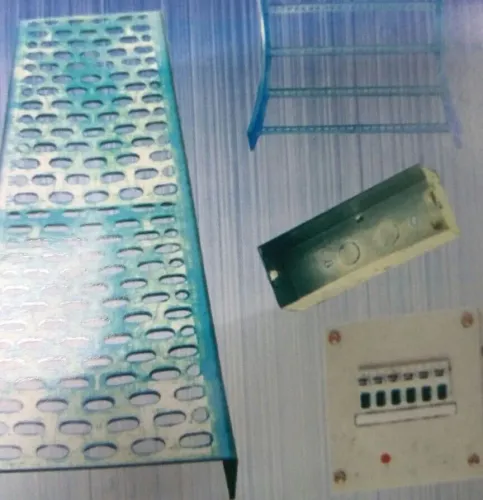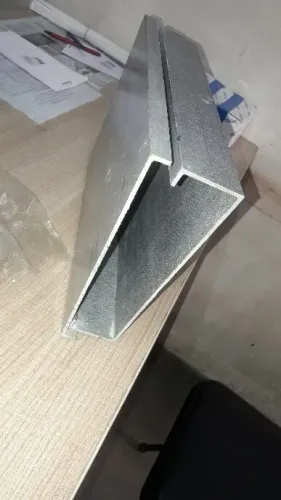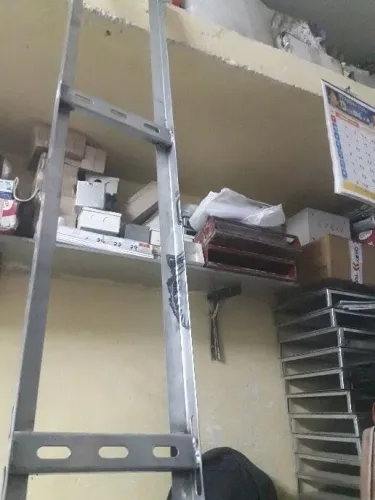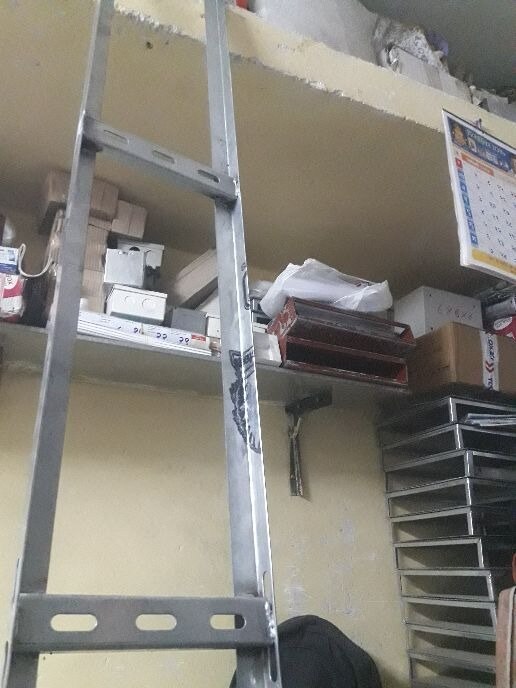
Choosing a ladder tray by nominal width or a generic “GI” label can leave you with overcrowded cables, weak supports, poor corrosion protection, or missing fittings. You will be able to size the tray, select the right zinc-coating route, check loading and bonding requirements, and compare Pune suppliers using documents that expose real differences between quotations.
Key takeaways
- Calculate usable tray width from cable diameters, clearances, and spare capacity.
- Choose ladder construction and finish for the actual indoor or outdoor environment.
- Verify load, deflection, bonding, fittings, and galvanising documents before ordering.
- Compare Pune suppliers using identical dimensions, materials, finishes, and test requirements.
Size the ladder tray from the cable schedule, not the catalogue width
Start with the cable schedule, not a catalogue width. Record each cable’s outside diameter, quantity, voltage group, minimum bend radius, cleat size, and required spare capacity. Select a width that leaves usable space after accounting for side rails, rung obstruction, cable clearance, and any cover; adding cable diameters alone produces an undersized tray.
Specify these details before requesting a quotation:
- Width and side-rail height, calculated for the loaded route and largest bend.
- Rung pitch, rung width, rung profile, and the cable manufacturer’s permitted unsupported span.
- Cleat type and fixing method, including whether cleats mount to rungs or require a separate support.
- Separation between power, control, instrumentation, communication, and fire-alarm cables.
- Spare capacity, covers, radius bends, tees, reducers, supports, splice plates, fasteners, and bonding links.
Use separate trays, a metallic barrier, or a project-specified spacing where cable groups cannot share a route. A ladder tray is not automatic segregation.
| Cable arrangement | Tray decision | Main check |
|---|---|---|
| Single power group | One ladder tray | Cleat spacing and working load |
| Power with control | Separate trays or barrier | Project separation distance |
| Instrumentation or communication | Dedicated tray preferred | Electromagnetic interference |
| Mixed route with covers | Wider tray and compatible cover | Heat dissipation and access |
When comparing GI cable trunking manufacturers’ ladder tray in Pune, demand these dimensions on every schedule. A low per-metre price can exclude fittings, supports, or bonding hardware needed to complete the installation.
Match ladder construction to the installation environment
Ladder tray is the better choice for large power cables, hot-running circuits, and routes where you will add or inspect cables frequently. Its open rungs allow airflow, expose cable labels, and let installers secure cables with cleats; the trade-off is less protection from impact, debris, and falling objects.
| Option | Choose it when | Avoid it when |
|---|---|---|
| Ladder tray | Heat dissipation, visibility, heavy cables, or future additions matter | Small cables need continuous support or the route is exposed to falling debris |
| GI perforated tray | You need moderate ventilation with closer cable support | Large cables need generous airflow or frequent access |
| Solid-bottom trunking | Cables need continuous support, enclosure, debris protection, or screening | Heat removal and quick inspection are priorities |
| Wire mesh tray | Lightweight indoor routing and fast access suit the installation | Heavy power cables, rigid cleat fixing, or high impact resistance is required |
| Conduit | A few cables need enclosed mechanical protection over short or exposed routes | Cable quantity, bending, heat dissipation, or future additions make pulling difficult |
For outdoor plant, cooling-tower areas, chemical exposure, or routes carrying rain and wash-down water, select ladder construction with drainage and corrosion protection suited to the environment. A dry indoor electrical room does not justify the same finish automatically.
Do not use ladder tray as a universal separator. Keep power away from control, instrumentation, communication, and fire-alarm cables through separate trays, specified spacing, or barriers.
Ask ladder tray manufacturers in Pune to state the permitted sharing arrangement, cover requirement, support span, and cleat-fixing method; choosing only by metre price can leave you with an unmaintainable route.
Compare galvanising processes and verify corrosion protection
“GI” alone does not identify the corrosion protection. Ask galvanized cable tray manufacturers in Pune to state the coating process, coating mass or thickness, base-steel thickness, and inspection standard on the quotation.
| Option | Practical difference | Suitable use |
|---|---|---|
| Hot-dip galvanised | Fabricated tray is immersed in molten zinc, covering formed parts, welds, and cut edges. | Outdoor routes, industrial areas, and damp or contaminated environments. |
| Pre-galvanised | Zinc-coated sheet is formed and cut into tray. Cut edges, drilled holes, and welds have less original zinc coverage. | Dry indoor electrical rooms, unless damaged areas receive zinc-rich repair. |
| Electro-galvanised | An electrically deposited zinc layer is smooth but usually thinner than structural hot-dip coating. | Dry indoor applications where appearance matters more than severe exposure resistance. |
| Painted mild steel | Paint separates steel from air but provides no sacrificial zinc protection. Scratches expose steel and start rusting. | Controlled interiors, with a specified primer, topcoat, dry-film thickness, and repair method. |
Do not accept a generic “80–100 micron GI” statement. For hot-dip coating, request ISO 1461 compliance, the coating mass or measured thickness, and the measurement basis; coating requirements vary with steel thickness. Request the mill certificate, galvanising certificate, batch number, material grade, and tray drawing.
Inspect sample pieces for bare patches, heavy zinc runs, flaking, white rust, and uncoated welds or edges. After drilling or cutting, repair exposed steel under ASTM A780 with a compatible zinc-rich system; ordinary enamel is not a galvanising repair. Choose the finish against ISO 12944 exposure conditions, including chlorides, humidity, chemicals, and drainage.
Check load, deflection, fittings, bonding, and project standards
Approve a ladder tray only after the drawing fixes its working load, support span, deflection limit, fittings, bonding method, and governing standard. Do not accept “GI ladder tray” as a complete specification: rung pitch affects cable support and cleat placement, while an omitted tee or splice can disrupt installation.
- State side-rail height, rung width and pitch, material thickness, cable separation, support spacing, and maximum working load.
- State the allowable deflection at that load, such as a span-by-span limit, and identify whether the figure is a working-load or ultimate-load value.
- List bends, tees, reducers, risers, covers, splice plates, supports, fasteners, and radius fittings; show each on the layout.
- Specify electrical continuity across joints, bonding jumpers where needed, and the protective-earth connection to the project earthing system.
- Require IEC 61537 compliance by edition, product configuration, and test evidence, not by a catalogue claim alone.
| Approval detail | Fix in the schedule | Evidence to request |
|---|---|---|
| Material and finish | Steel grade, coating route, coating standard and measurement basis | Mill certificate and coating certificate |
| Dimensions | Tolerances for width, rail height, rung pitch and thickness | Approved dimensional drawing |
| Load performance | Support span, working load and deflection limit | Load-test report |
| Traceability | Batch or heat number linked to supplied sections | Batch records |
| Special fabrication | Non-standard bends and permitted site modifications | Fabrication procedure and revised drawing |
Ask cable tray manufacturers in Pune for these records before comparing price. A stockist’s “GI” label cannot replace them.
Compare Pune manufacturers on a like-for-like purchase schedule
A credible quotation survives a like-for-like schedule; a stockist’s per-metre price often does not. Compare ladder cable tray suppliers in Maharashtra using identical quantities, delivery points, and installation assumptions.
| Item | Require in every quotation | Capability signal |
|---|---|---|
| Geometry | Width, usable width, side-rail height, rung width, rung profile, rung pitch, thickness, tolerances, and minimum bend radius | Supplier issues a dimensioned drawing rather than a catalogue image |
| Protection | Steel grade, coating process, coating designation or thickness, and coating certificate | Supplier states pre-galvanised or HDG; “GI” alone is insufficient |
| Performance | Support span, working load, deflection limit, cleat method, and IEC 61537 edition and test evidence | Supplier provides calculations or test documentation for the quoted configuration |
| Scope | Straight lengths, bends, tees, reducers, covers, supports, fasteners, splice plates, and bonding hardware | Supplier itemises every accessory instead of hiding exclusions |
| Traceability | Batch number, mill or coating certificate, inspection record, and non-standard bend process | Supplier can connect delivered material to production records |
Ask each bidder to price the same schedule, including site modifications. A missing bend or bonding jumper can erase an apparent saving, while unequal usable widths can leave cables overcrowded.
Include TIRUMALA ENTERPRISES in that comparison only after requesting these same drawings, certificates, and load details. A manufacturer earns preference through evidence, not the label “manufacturer”; a stockist becomes visible when it cannot document coating, dimensions, or custom fabrication.
Related products
 | Reliance type tray manufactur we are View product → |
 | ₹140 View product → |
Frequently asked questions
How do you size a ladder tray from a cable schedule?
Record each cable’s outside diameter, quantity, voltage group, minimum bend radius, cleat size, and spare capacity. Then allow for side rails, rung obstruction, cable clearance, and any cover; adding cable diameters alone undersizes the tray.
Which ladder tray construction suits an installation environment?
Match the tray material, rung design, side-rail strength, cover requirement, and finish to indoor, outdoor, humid, chemical, rooftop, or corrosive conditions. Confirm the design supports the cable arrangement and installation method.
How can you verify galvanising and corrosion protection?
Ask whether the tray is hot-dip galvanized after fabrication or pre-galvanized, then request the specified coating standard, coating thickness or mass, inspection records, and repair method for cut edges, welds, and damaged areas.
What technical information should you check before buying a ladder tray?
Check working load, support-span assumptions, deflection limits, tray dimensions, fittings, bonding continuity, earthing provisions, cover details, and the project’s required standards.
How should you compare ladder tray manufacturers in Pune?
Send every supplier the same schedule covering width, height, material, finish, thickness, rung spacing, support span, fittings, covers, bonding, documentation, delivery, and inspection requirements.